
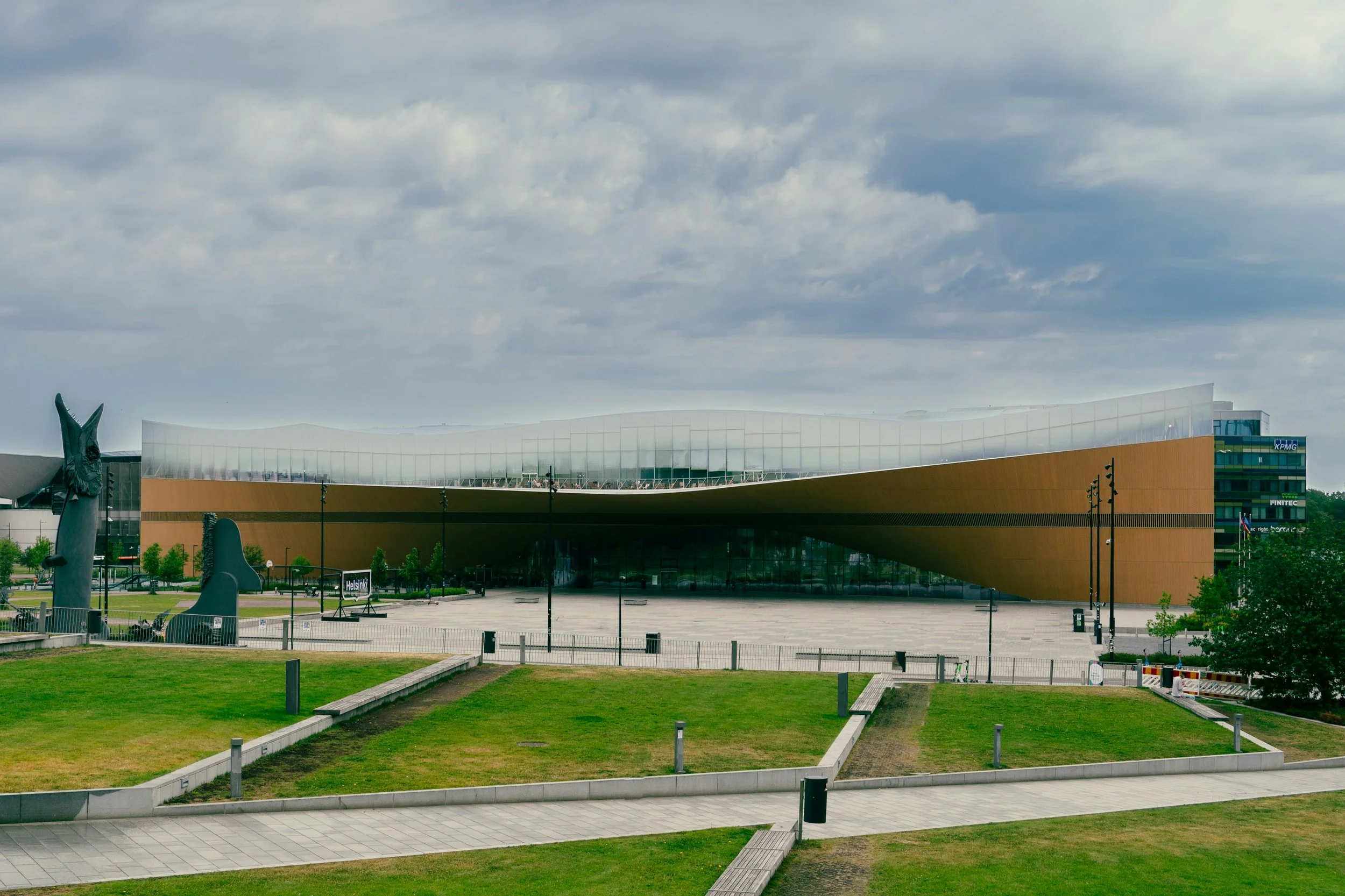
Oodi as a Shared Space
Service Design / User Experience / Public Space / Autumn 2026
Independent concept project.
Oodi is simultaneously a library, a workspace, a living room for the city, and one of Helsinki’s popular tourist destinations. The growing number of tourists has raised situations where the needs of visitors and everyday users do not always meet.
In this case study, I explore how different user groups could share the same open public space more smoothly, while preserving Oodi as a welcoming place for everyone.
2 Context
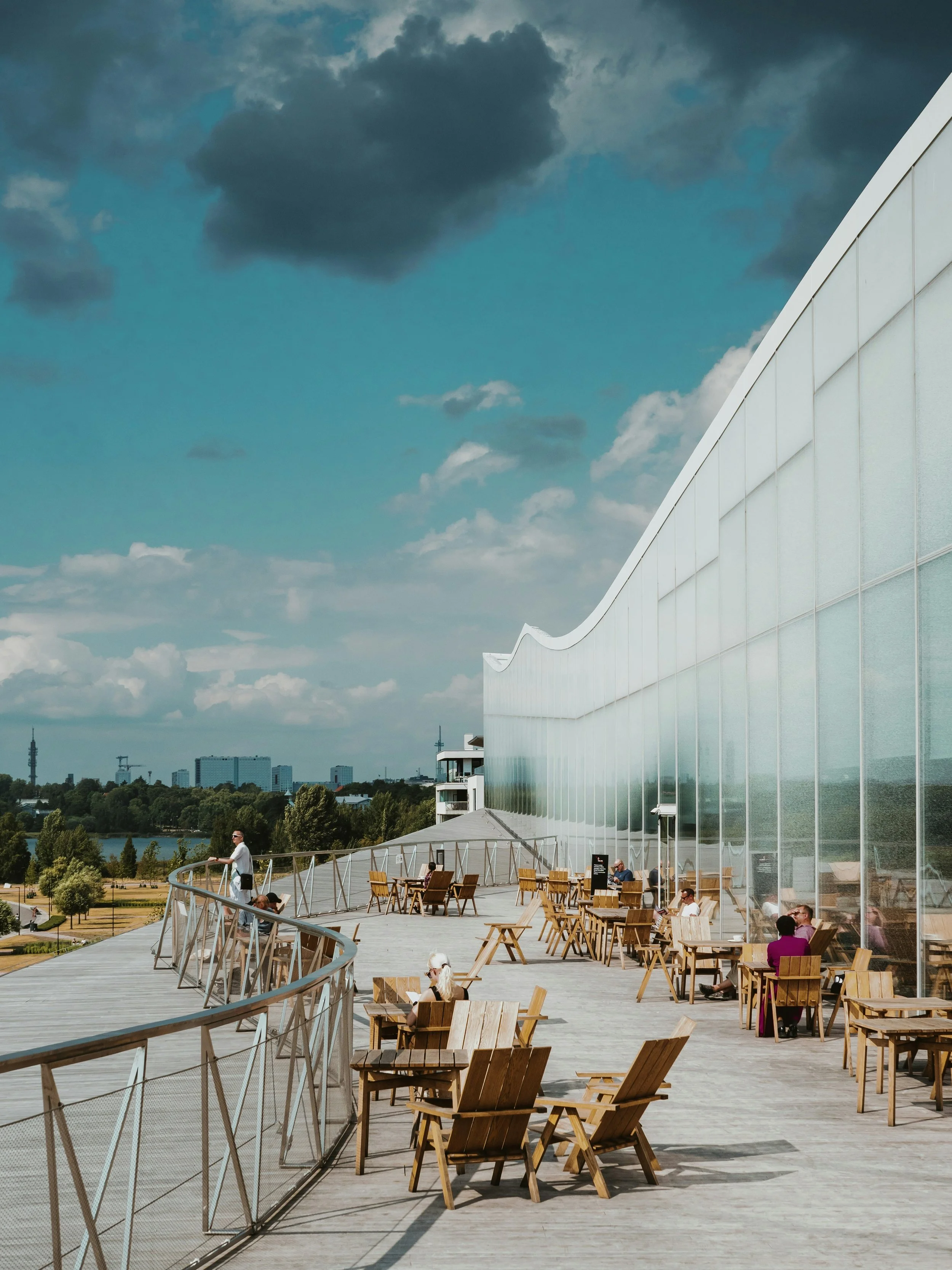
Oodi has been one of Helsinki’s popular destinations since opening in 2018. Its architecture, central location and wide range of free services attract both local residents and visitors from around the world.
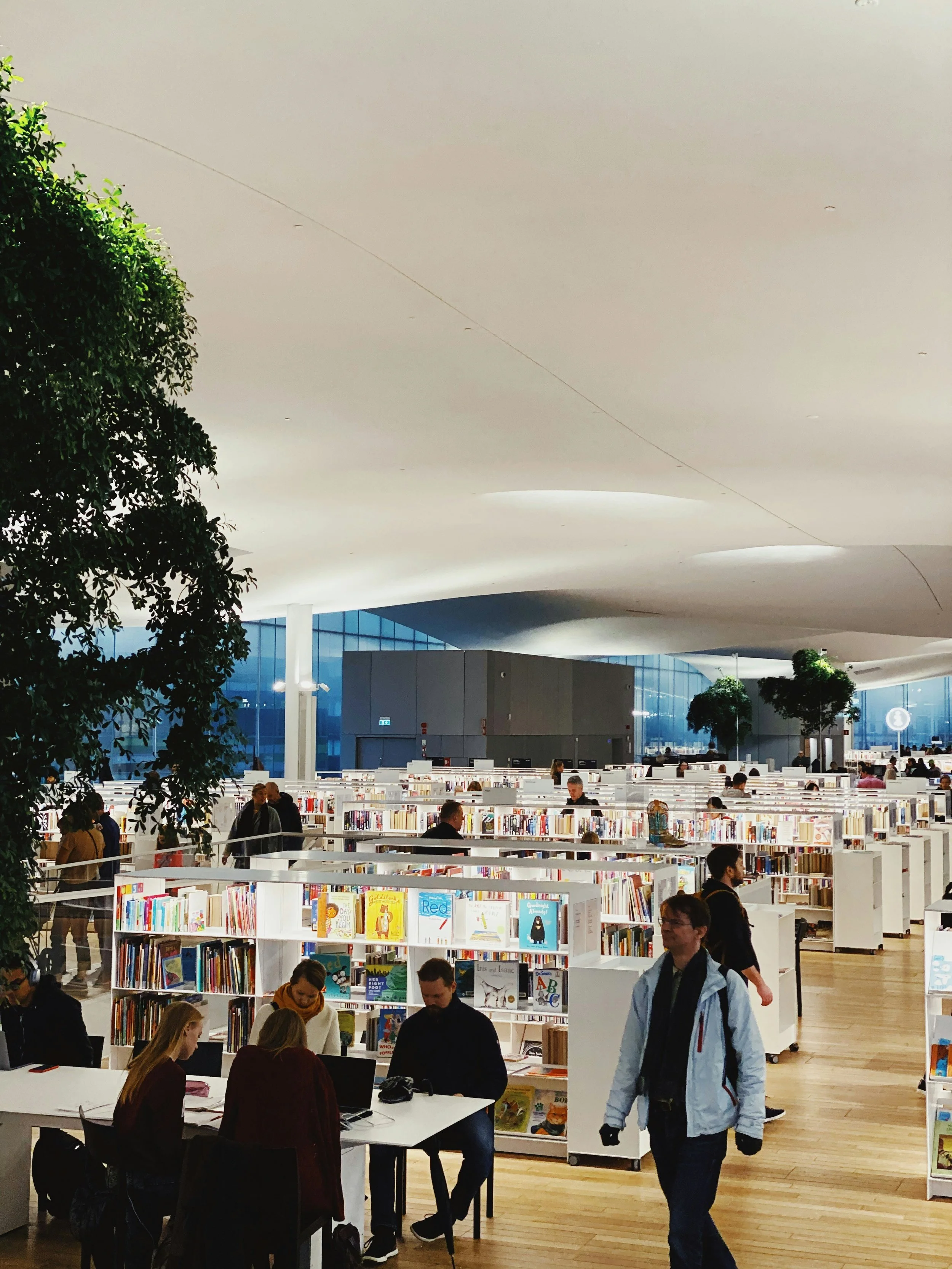
Oodi offers a form of public library that may be unfamiliar to some international visitors: a library that combines traditional library services with workspaces, creative facilities, events, cafés and open public space.
During the busiest summer period in July and August, Oodi can receive up to 12,000 visitors a day, with around 1,000 people inside the building at the same time.
Source: Salla Tammi, Head of Central Library Services, quoted in Helsingin Sanomat, 2026.
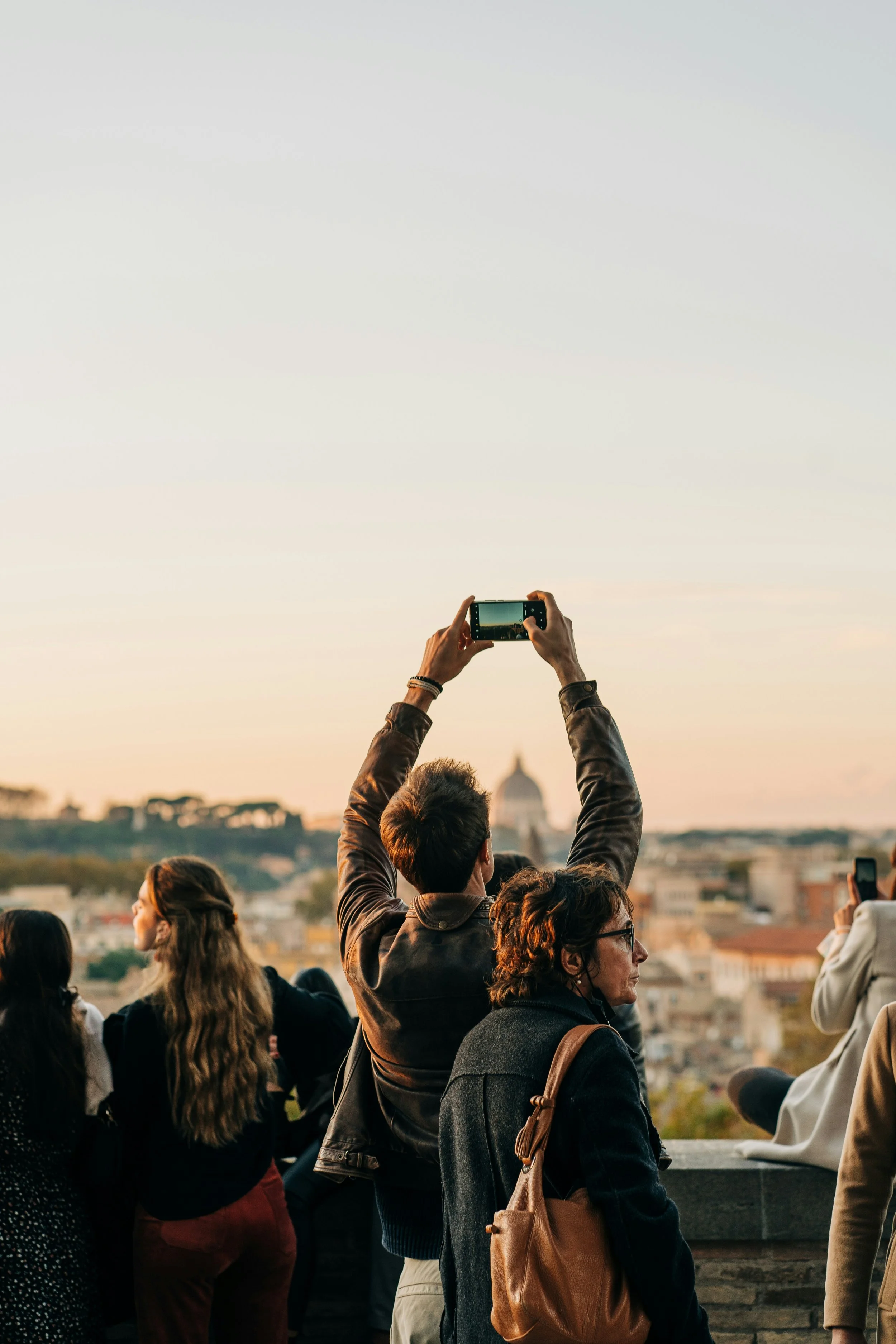
The growing number of tourist groups has also generated discussion about how the shared space works for different users. Reported concerns include noise, crowded circulation, lack of peace and privacy, and tourists photographing library users — particularly children and people working in the second-floor City Workshop.
Source: Helsingin Sanomat, 2026.
At the same time, Oodi is a public library and an open space for everyone. As Oodi’s Head of Central Library Services explains, the library cannot simply prevent tourists from entering.
This raises an interesting service design question:
How might Oodi welcome visitors while also protecting the experience of people who come to use the library and its services?
3 User Observations
To understand the experience from a user’s perspective, I also reflected on my own recent experiences using Oodi’s facilities.
3D printing
Last spring, I used the 3D printers on the second floor. My visit took place in the morning, around 9–10 am. I did not experience any disturbance or particular attention from other visitors while working.
More recently, I have used the paper printing service on the first floor several times within a short period. These visits took place between approximately 10 am and 2 pm. The ground floor became busier towards the afternoon, but I was still able to print without queuing, and payment was straightforward.
These experiences suggest that the challenges described in public discussion may not occur uniformly across Oodi. They may depend on factors such as time, location, activity and the number or type of visitors present.
A second perspective
I also discussed Oodi with a friend who lives outside Finland but is a frequent admirer and user of the library when visiting Helsinki.
Their experience was different. They felt that the increasing number of tourists had made it difficult to enjoy some parts of Oodi in peace. They particularly mentioned wanting to eat without being disturbed on the ground floor and read quietly on the third floor.
Interestingly, although my friend is also a visitor to Helsinki, they did not identify themselves with the tourist groups they found disruptive.
This made me consider an important service design question:
Who is a tourist — and when does a visitor become a library user?
Rather than treating “tourists” and “local users” as two clearly separated groups, I see Oodi as a shared environment where people can occupy different user roles depending on the situation.
4 User Groups
Oodi brings together people with very different reasons for being there. The same person can also take on different roles depending on the situation.
Tourist groups
Goals
Experience Oodi’s distinctive architecture
Explore the library’s diverse facilities and services
Take photographs
Experience one of Helsinki’s notable public spaces
Needs
Clear information
Easy navigation
Interesting things to see and do
An enjoyable group experience
Other library users
Goals
Read, study or work
Use library services and equipment
Spend time in the building
Meet friends or enjoy the space
Needs
Peace and concentration
Personal space
Privacy
Smooth access to services
Tour guides
Goals
Provide an engaging experience for their group
Introduce Oodi and its services
Keep the group moving smoothly
Needs
Clear information before the visit
Simple guidance they can share with their group
A clear route and suitable places to stop
Understanding of Oodi’s everyday use
The shared space
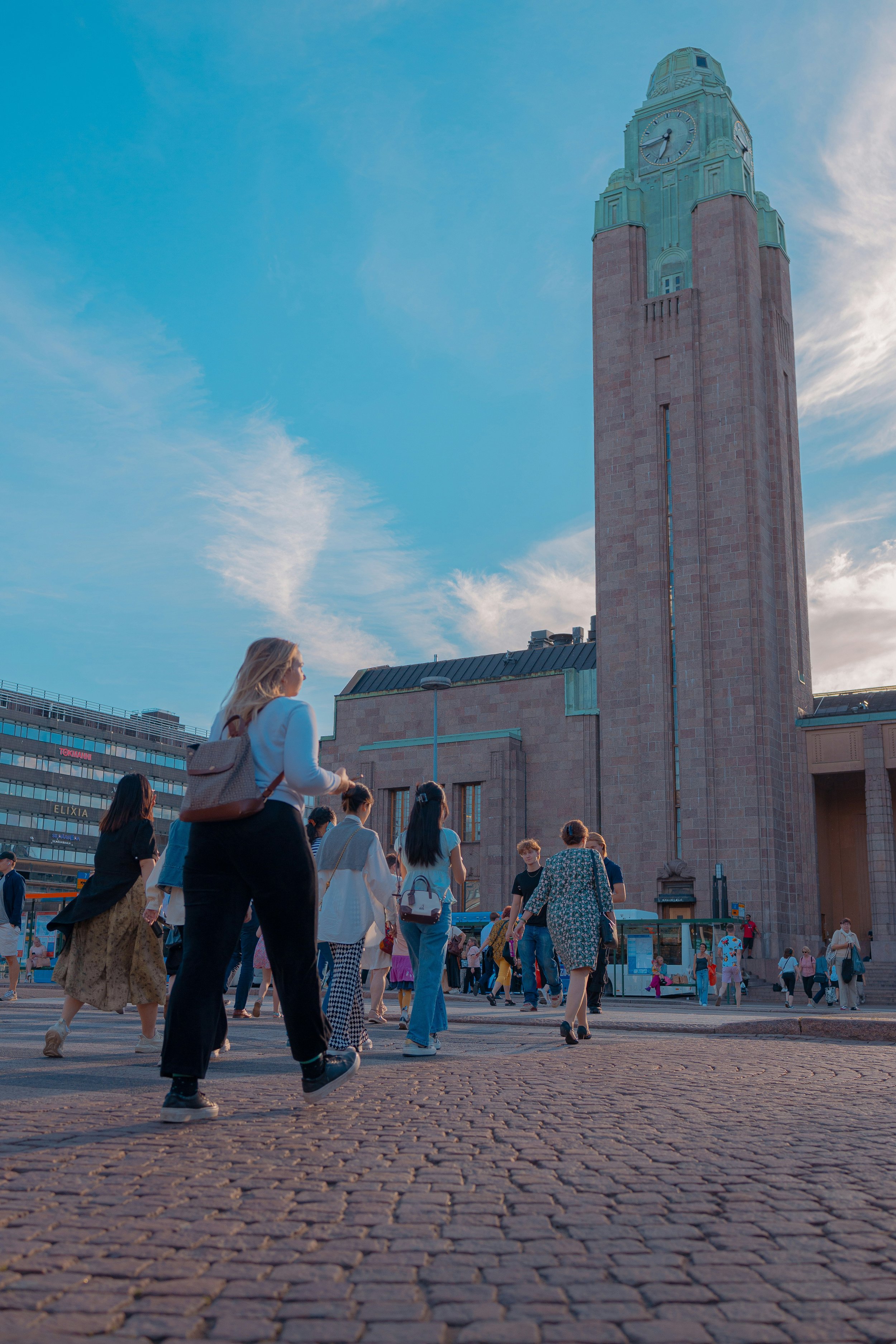
These groups are not mutually exclusive. A visitor can also be a library user, and a library user can be a visitor.
The challenge is therefore not simply about tourists versus locals.
It is about how different activities and expectations can coexist in the same public space.
5 Service Journey
The experience of Oodi is shaped by several user journeys happening simultaneously. A tourist group explores the building, a guide leads the group, while other users may be working, reading, creating or spending time in the library.
The journey below focuses on the points where these different experiences meet and where friction may occur.
Key observation
The friction does not necessarily come from the presence of tourists itself.
It can emerge when one user group experiences Oodi as something to observe, while another experiences it as a place to do something.
This creates an opportunity to design the visitor experience in a way that makes the shared nature of the space more visible.
6 Pain Points & Opportunities
The service journey highlights several moments where different expectations of Oodi can collide.
1 Seeing people as part of the attraction
Pain point
Visitors may see people using the library’s facilities as part of the experience, while those people are actually working, studying or creating for their own purposes.
Opportunity
Make the everyday use of Oodi more visible to visitors and help distinguish between observing a space and interacting with its users.
2 Photography and privacy
Pain point
Visitors may want to photograph Oodi’s architecture and facilities, while other users — particularly children and people working in the space — may not want to be photographed.
Opportunity
Make expectations around photography clear before and during the visit, without preventing visitors from documenting their experience of the building.
3 Different expectations of shared space
Pain point
Tourist groups may move, stop and talk as part of their visit, while other users may expect the same spaces to provide peace and concentration.
Opportunity
Help groups understand how Oodi is used by others and guide where and how groups can move and stop.
4 Large groups in an everyday environment
Pain point
A large group can affect circulation and the experience of other users, even when the group is simply following its planned visit.
Opportunity
Design the group journey — including routes, stopping points and orientation — so that visiting Oodi works more smoothly for everyone.
Design opportunity
Rather than asking how to limit tourists, the opportunity is to ask:
How might Oodi make its shared nature more visible and help different users coexist more smoothly?
The goal is not to separate visitors from everyday users, but to design a visitor experience that respects both.
7 Design Direction
Based on the observations and identified pain points, I defined four principles to guide the development of a more inclusive visitor experience.
1 Welcome, don't restrict
Tourists are an important part of Oodi’s visitor experience. The aim is not to prevent people from visiting, but to help different users share the space more smoothly.
2 Make the shared space visible
Visitors may not realise that the people around them are actively using Oodi as a library, workspace or creative environment.
The experience should make this everyday use more understandable.
3 Guide before problems occur
Clear information given before and at the beginning of a visit can prevent situations that would otherwise require staff intervention.
4 Protect people's space
Visitors should be able to experience Oodi while library users can work, read, create and spend time there without unnecessary interruption.
The design goal
Make Oodi easy to experience without making it harder for others to use.
8 Proposed Service Concept
Based on the identified pain points and design principles, I explored how the visitor experience could be supported both before and during a visit.
The concept focuses on orienting visitors rather than restricting them and works for both guided groups and independent visitors.
1 Visitor information before the visit
Information for tour guides, travel platforms and other channels where visitors discover Oodi.
The information would explain:
What kind of space Oodi is
How the library is used by other customers
Expectations around photography
How to respect people working or studying
How groups and individuals can move through the building
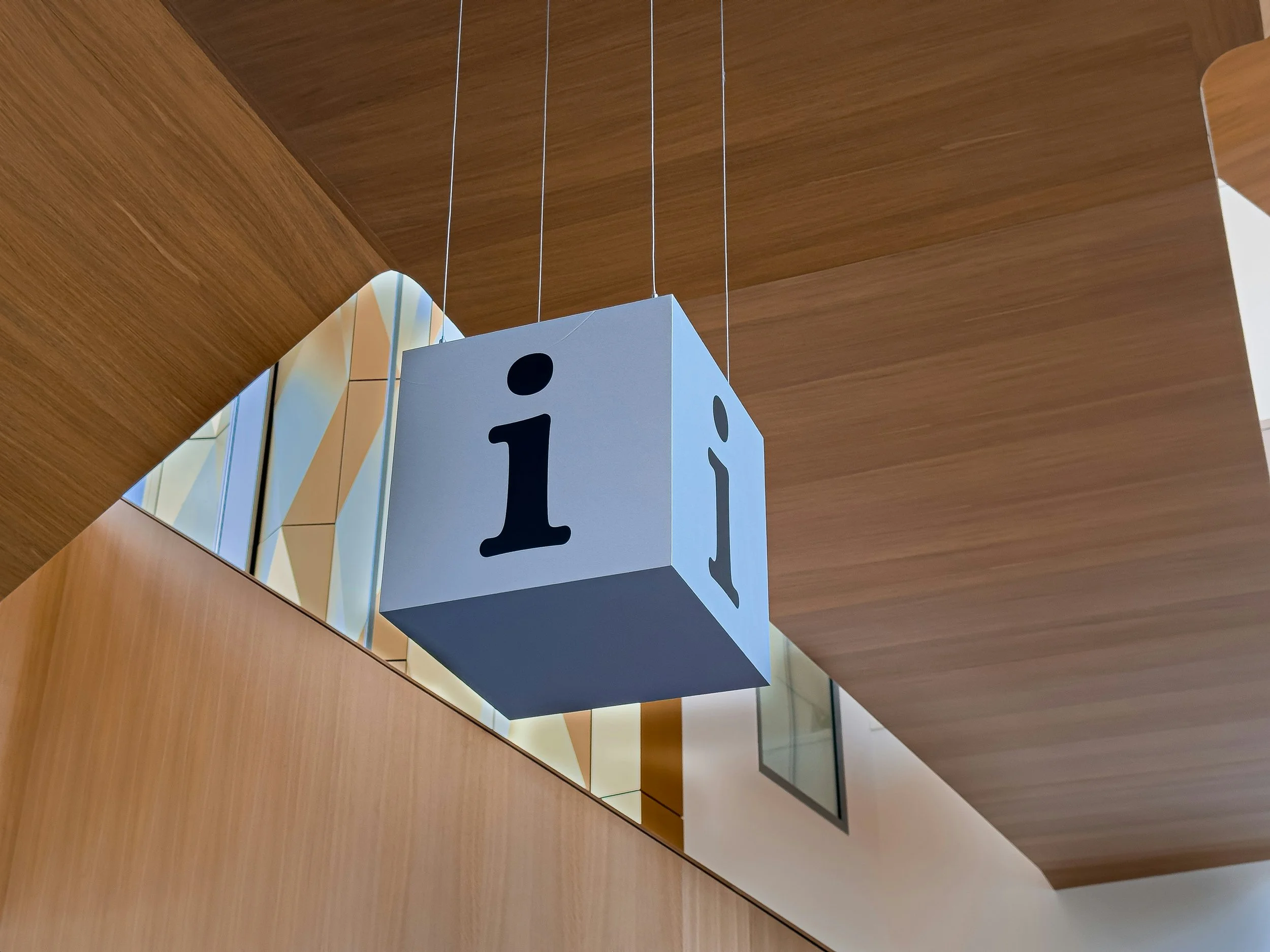
2 Welcome to Oodi – orientation at the point of entry
A short, highly visible introduction available to all visitors, regardless of whether they arrive with a guide or independently.
The key message:
Oodi is a library and a shared public space. People here may be working, studying, reading or creating.
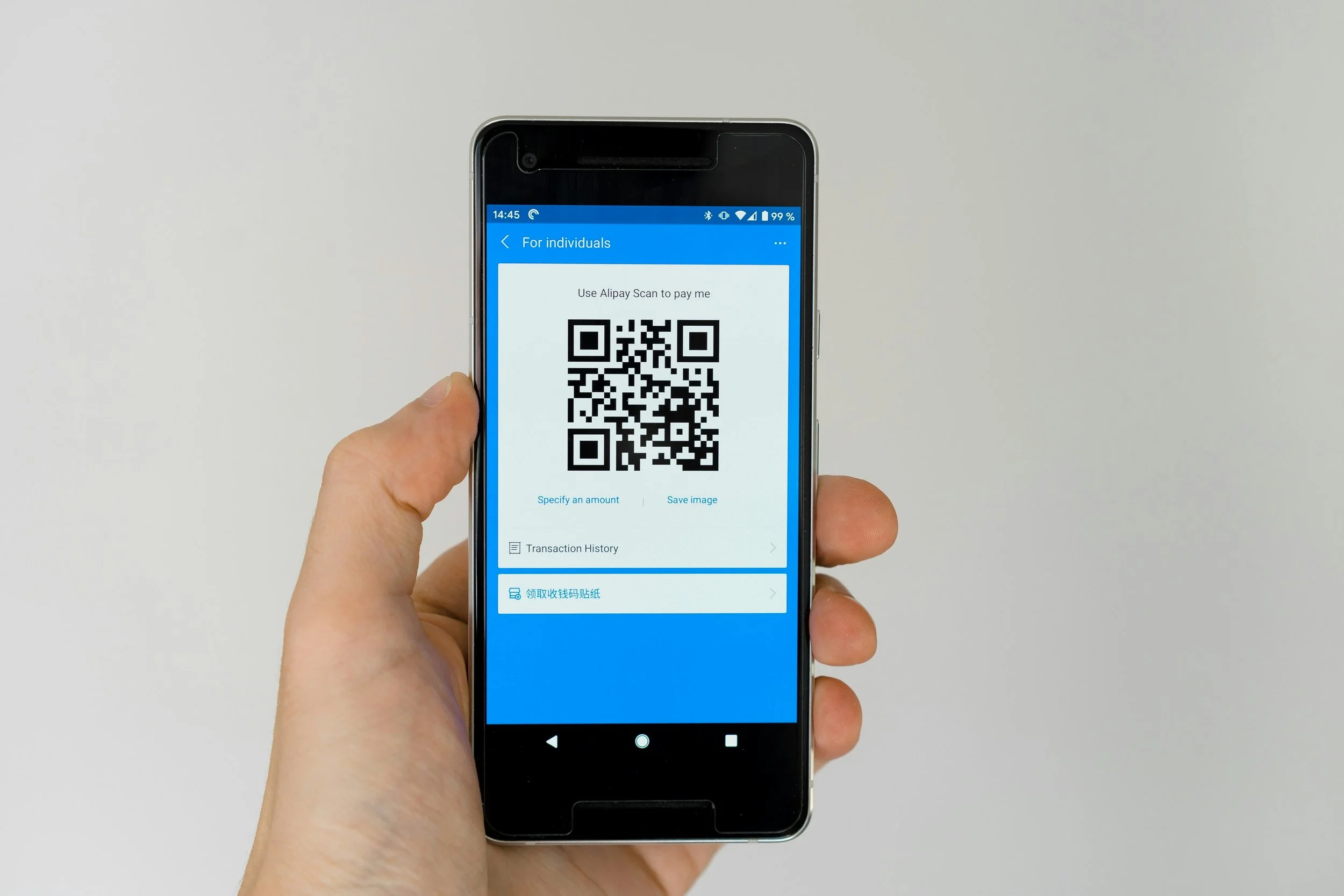
This could be presented through concise signage, a digital display or a QR code providing further information.
3 Guidance for guided groups
Tour guides could receive additional information before their visit, including recommendations for group movement, suitable stopping points and ways to introduce Oodi without disturbing other users.
The guide becomes one important touchpoint — but not the only one.
4 A recommended visitor route
A suggested route could help both groups and independent visitors explore Oodi while avoiding unnecessary disruption to everyday activities.
The route could highlight architecture, services and suitable places to stop without directing visitors around individual library users.
5 Multilingual visitor guidance
A QR code could provide the essential guidance in several languages, allowing visitors to access the information independently on their own device.
Possible languages could include for example:
Finnish · Swedish · English · Spanish · German · French · Chinese · Japanese
6 Clearer guidance around photography
The aim would not be to prevent visitors from photographing Oodi.
Instead, the guidance would make a simple distinction:
Photograph the space. Respect the people.
Visitors could enjoy and document the architecture while understanding that people using Oodi are not part of the attraction.
9 Testing & Measuring Success
The proposed concept would need to be tested with the people who use Oodi in different ways.
Rather than assuming that the proposed guidance would solve the issue, I would test how visitors, library users, tour guides and staff experience it in practice.
What I would test
With visitors
Do they understand what kind of space Oodi is?
Do they understand the guidance around photography and personal space?
Does the guidance affect how they move through the building?
With tour guides
Is the information easy to understand and share with a group?
Does it help guides manage group movement?
Are there situations or information missing from the guidance?
With library users
Does the experience of peace and personal space improve?
Do they feel that their privacy is better respected?
Does group movement have less impact on their use of Oodi?
With Oodi staff
Does the guidance reduce situations that require staff intervention?
Is it practical to maintain?
Where do staff still see recurring challenges?
Possible measures
The concept could be evaluated through:
Observation
Compare visitor behaviour before and after introducing the guidance.
Short visitor feedback
Ask visitors whether the information was clear and useful.
Staff feedback
Track recurring situations and requests for intervention.
User feedback
Monitor feedback related to photography, noise, crowding and personal space.
The next step
The concept should begin with a small pilot rather than a large-scale implementation.
For example, a multilingual visitor guide could first be tested with a limited number of tour groups and independent visitors, followed by observation and feedback.
The findings could then be used to refine the guidance, visitor journey and supporting touchpoints.
The goal is not to create more rules for Oodi — but to make the existing shared space easier for everyone to understand and use.
Visuals & Image Credits
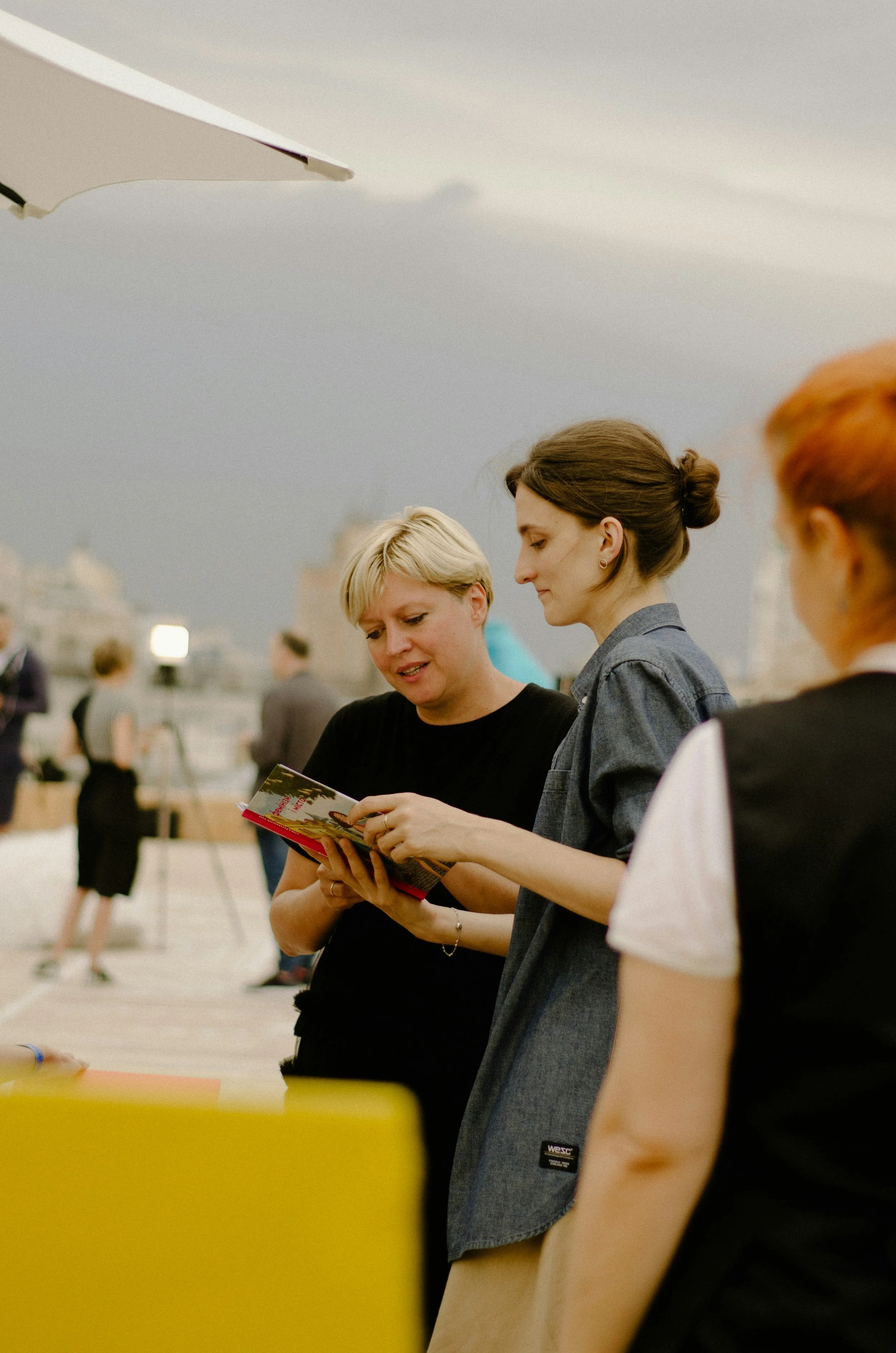
Photography: My own photos · Unsplash
Visual design & graphics: Canva